

The Knack Insider


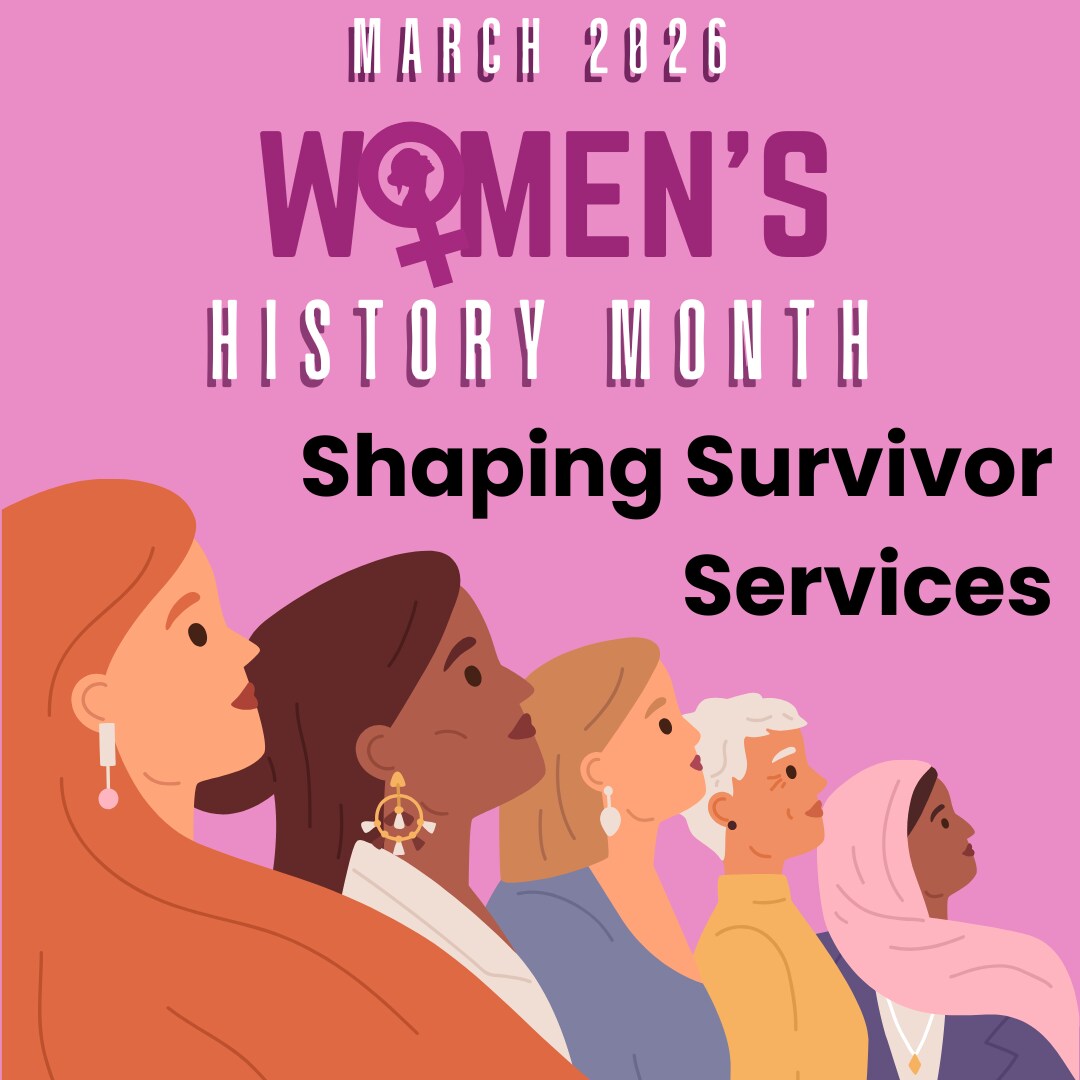
March 2026 - Shaping Survivor Services
In 2026, one in three women will experience domestic violence. From 1994 to 2010, four out of five reported victims were women—numbers that reflect only those able to come forward. Speaking up about abuse takes tremendous courage, and supporting others is part of creating the safety net that earlier survivors never had.
This Women’s History Month, we’re honoring several underrecognized women-led organizations whose work contributed significantly to the domestic violence movement, laying the foundation for the services and protections available today.
- Women’s Christian Temperance Union (WCTU) – Founded in the 1870s, the WCTU was one of the first national groups to address domestic violence. While their main focus was alcohol reform, they openly connected alcohol abuse to violence against women and helped shift public thinking from “this is a private family matter” to “this is a community responsibility.”
- La Casa de las Madres – Opened in 1976 in San Francisco, La Casa is the first shelter opened by and for survivors of color. Led by women like Sonia Melara, the shelter recognized that existing services failed to meet the language, cultural, and community needs of Latina survivors, and helped establish a national model for culturally specific domestic violence services.
- Pennsylvania Coalition Against Domestic Violence (PCADV) – Also founded in 1976, PCADV brought together advocates and survivors who saw the need for coordinated services, sustainable funding, and legal protections for survivors. Their work led Pennsylvania to pass the nation’s first state law allowing survivors to obtain protective orders – legislation that influenced states nationwide.
- Futures Without Violence – Esta Soler and her organization helped build the modern domestic violence prevention system, from training law enforcement to expanding survivor services. Their advocacy played a major role in the creation of the Violence Against Women Act (VAWA) in 1994, the first federal law to address domestic violence, sexual assault, dating violence, and stalking in a comprehensive way.
The organizations that built the domestic violence movement did more than create services – they redefined what safety, dignity, and justice could look like. FCR is proud to be part of this legacy, beginning our services for survivors of domestic violence in 1977. Every hotline call answered, every family supported, and every community member educated builds on the foundation they created. We remain committed to ensuring every survivor has a place to turn, a voice that is heard, and a future shaped not by violence, but by possibility.
To learn more about FCR’s History and Impact, visit https://www.fcr-ma.org/about-us
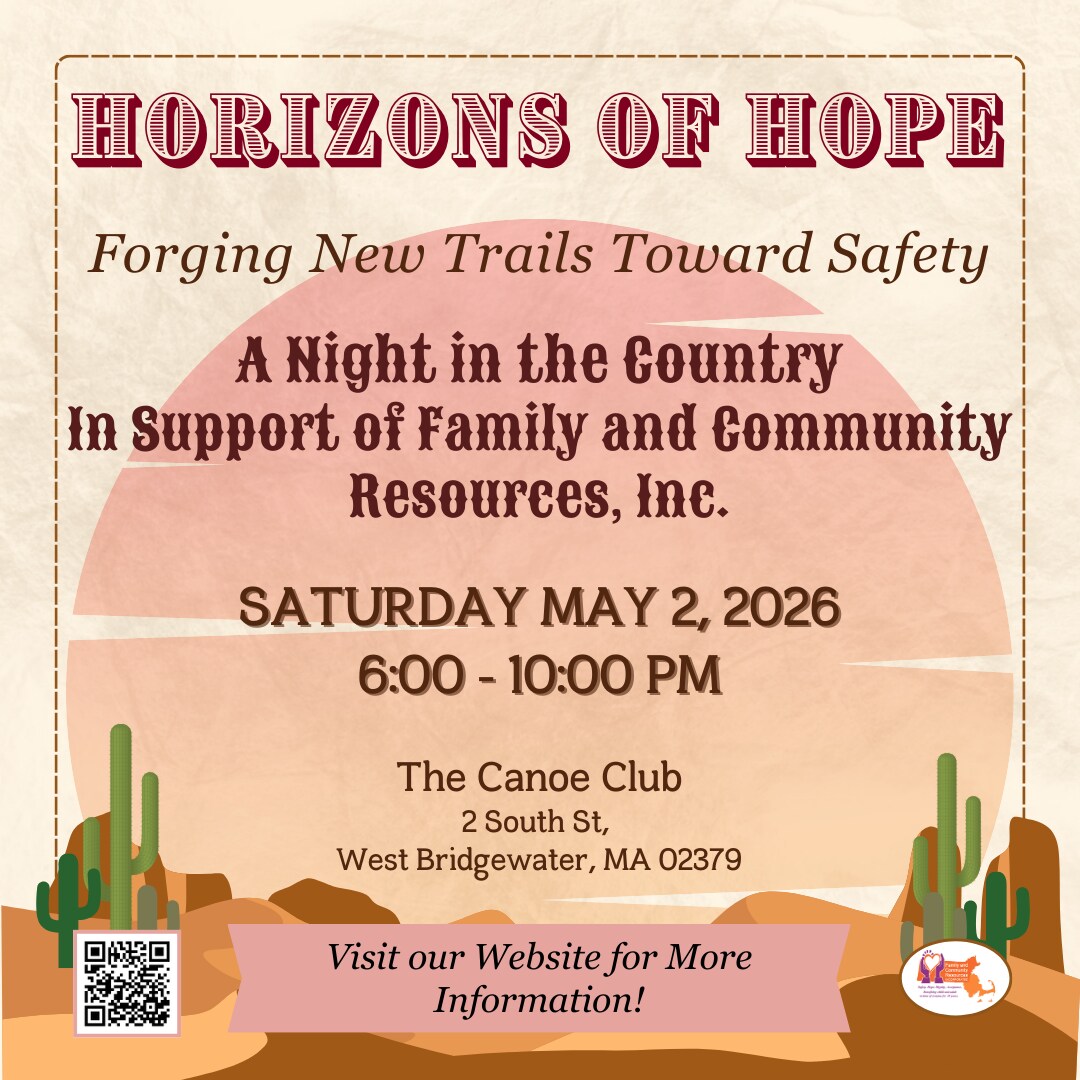
Don’t Forget! FCR’s Spring Gala – Horizons of Hope – is coming up on May 2nd at the Canoe Club in West Bridgewater! To learn more about the event and how to become a Sponsor, click here: https://onecau.se/horizonsofhope