
Can Low Oil Cause Overheating?
If you drive near Brockton, Easton, Stoughton, or Hanover, Massachusetts, you might wonder: can low oil cause your engine to overheat? The answer is yes.
Engine oil doesn’t just lubricate moving parts; it also helps control heat. When oil levels are low, friction increases, heat accumulates, and even a healthy cooling system can struggle to maintain the engine's optimal temperature.
At Nissan 24, we help local drivers understand and prevent overheating caused by low oil.
How Engine Oil Controls Heat
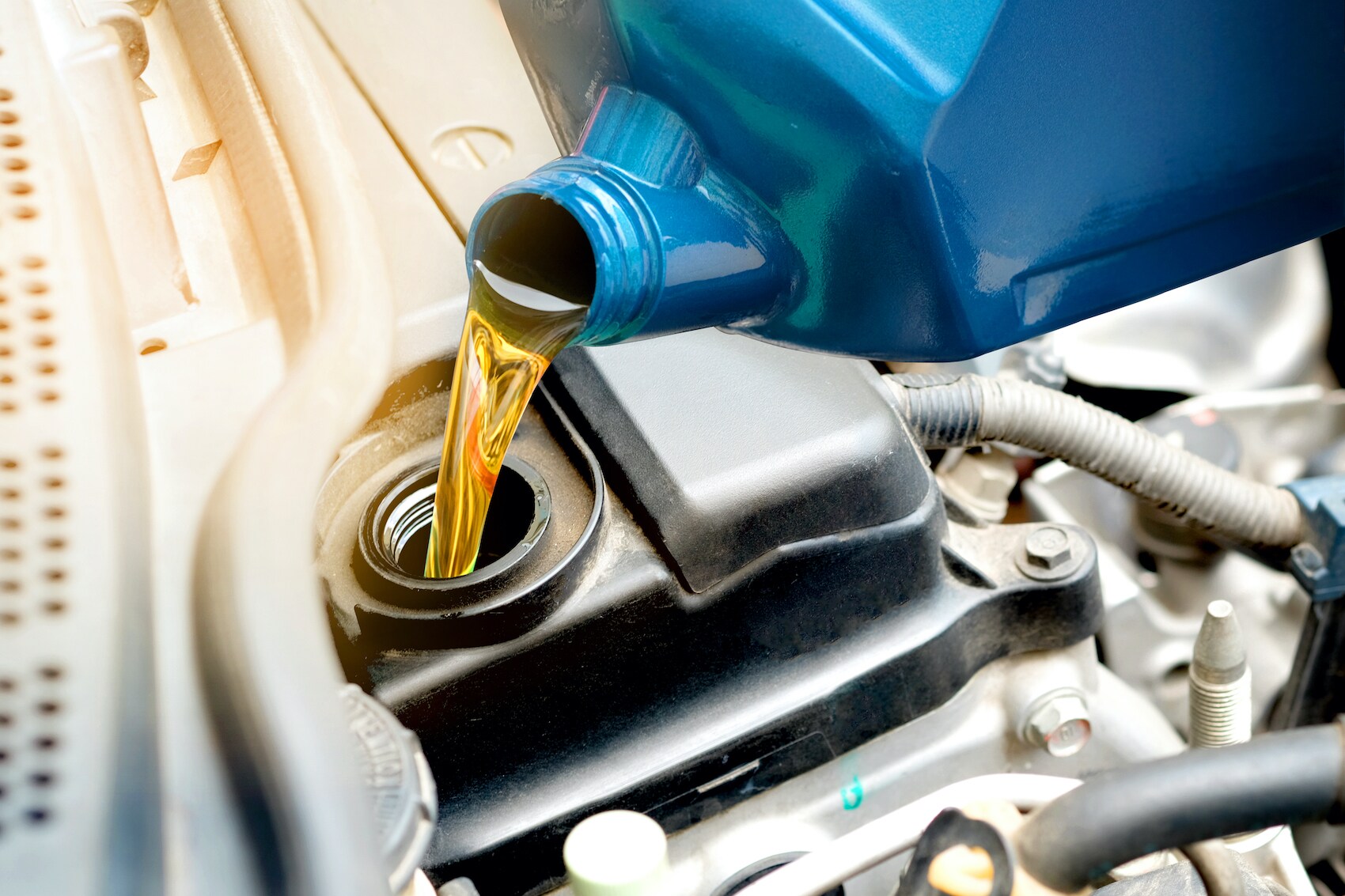
Engine oil serves two primary functions: lubricating metal parts and dissipating heat. Oil forms a thin barrier between moving components, like pistons and bearings, which reduces friction. It also carries heat away from combustion and friction zones toward the oil pan or oil cooler.
When oil drops below the recommended level, the barrier weakens. Friction increases, heat builds faster, and the engine struggles to maintain safe temperatures. Low oil affects the engine even if the radiator, coolant, and thermostat are functioning correctly.
What Happens When Oil Runs Low?
Low oil triggers a chain reaction that can quickly lead to overheating, such as:
- Increased friction: Without sufficient oil, metal parts rub against each other, generating excessive heat and accelerating wear.
- Poor heat dissipation: With less oil circulating, the engine cannot carry heat away efficiently, forcing the cooling system to work harder.
- Potential engine damage: Persistent high temperatures can cause warping of cylinder heads, pistons, and gaskets, leading to leaks or severe engine failure.
Even short periods of running low on oil can stress the engine, making early detection essential. It’s very important to know when to schedule an oil change.
Signs of Engine Overheating
Many drivers first suspect coolant leaks or radiator problems when the temperature gauge rises. While those issues matter, low oil remains a frequent and overlooked cause of overheating.
Sometimes, engines can run normally for a while with low oil levels. Symptoms appear only when heat overwhelms the cooling system, such as:
- Rising temperature gauge or warning lights
- Knocking or tapping sounds from internal components
- Burning smells or smoke from leaking oil on hot parts
Ignoring these warning signs can turn a minor oil issue into significant engine damage.
Regularly check your oil level, replace old oil, and address leaks immediately. If your Nissan or another vehicle shows signs of overheating, stop driving and have a certified technician inspect it.
FAQs
Can my engine overheat even if the coolant system works fine?
Yes. Low oil reduces lubrication and heat absorption. Even a fully functional cooling system cannot compensate for insufficient oil.
Can dirty or degraded oil cause overheating even at proper levels?
Yes. Old oil loses viscosity and can form sludge, which blocks circulation. Reduced oil flow decreases heat dissipation, thereby increasing the risk of overheating.
How often should I check my oil?
Check oil monthly, especially in older or high-mileage vehicles. Follow your owner’s manual for oil-change intervals to maintain proper levels and quality.
Learn More About How Low Oil Can Cause Overheating Today
Drivers in Brockton, Easton, Stoughton, and Hanover, MA, should be aware of the risks associated with an engine overheating due to low engine oil levels.
Contact us at Nissan 24. We provide fast oil checks and maintenance to help you avoid costly repairs and keep your engine running smoothly.
*SOURCE - Gulf Oil LTD
How Can We Help?
* Indicates a required field